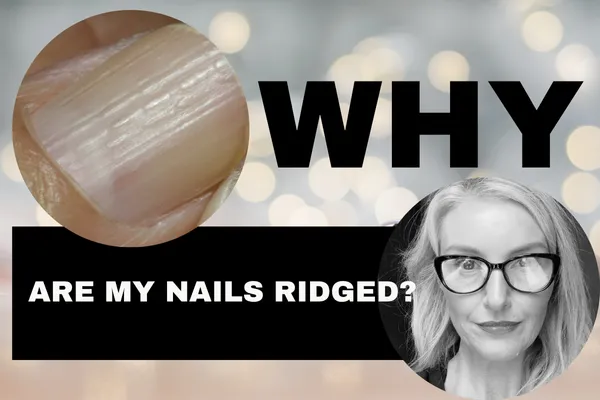
Why Are My Nails Ridged?
Why Are My Nails Ridged?
A clear, practical guide from The Nail & Beauty Lounge, Poulton-le-Fylde
If you have ever looked down at your nails and noticed ridges running either vertically or horizontally, you are not alone. Nail ridges are incredibly common, but understanding why they appear and what they mean can help you take better care of your natural nails.
Below is a simple and practical guide explaining the most common causes, what you can do at home and when it is best to let us take a look for you.
1. Understand the two types of nail ridges
Not all ridges are the same. There are two main types.
Vertical ridges (running from cuticle to tip).
These are usually harmless and often linked to natural ageing, dryness or mild trauma to the nail.Horizontal ridges (running across the nail).
These are called Beau’s lines and usually indicate the nail temporarily stopped growing due to illness, stress, injury or infection. These should not be ignored.
Understanding which type you have helps you work out what is causing the issue and what to do next.
2. Consider recent stress, illness or lifestyle factors
Your nails are a window into your overall health. They take around 3–6 months to grow from cuticle to tip, which means anything affecting your body during that time can show up later.
Ask yourself:
Have you been unwell recently
Have you experienced high stress
Have you had a significant change in diet or medication
Have you been biting your nails or picking at the skin
Any of these factors can cause temporary horizontal ridges or exaggerated vertical ones.
3. Hydration, hydration and more hydration
Dry natural nails show ridges more clearly. A simple daily routine can make a big difference.
Apply cuticle oil daily (twice a day if possible)
Wear gloves when cleaning or washing dishes
Use a hand cream that supports the skin barrier
Avoid long periods of nail dehydration, such as harsh removers at home
Consistent hydration helps the nail plate stay flexible and smooth.
4. Avoid over-filing and harsh at-home removal
Many ridges are caused or worsened by incorrect filing, picking off gel polish or soaking nails for too long in harsh removers.
To protect the nail surface:
Never pick or peel polish
Always use professional removal techniques
Avoid buffing the nail plate too aggressively
Let a trained technician file and shape your nails safely
Over-filing can permanently damage the nail layers, making ridges more pronounced.
5. Check for previous nail trauma
Small knocks and bumps you barely remember can interrupt nail growth. This might include:
Slamming a finger in a door
Catching a nail at work
Biting or picking the skin around the nails
Applying too much pressure on the nail bed
If only one nail is ridged, trauma is the most likely cause.
6. Understand when ridges are a normal part of ageing
As we get older, our nails naturally produce less keratin and moisture. This often results in mild vertical ridges. These are harmless and can be easily improved with regular professional care and good hydration at home.
7. When ridges may indicate something more serious
While most ridges are harmless, contact us or your GP if you notice:
Ridges accompanied by discolouration
Pain, swelling or lifting
Rapid changes appearing across multiple nails
Severe horizontal ridges that keep returning
Your safety always comes first, and we are happy to advise if you are unsure.
8. Professional treatments that help smooth and strengthen ridged nails
At The Nail & Beauty Lounge, we offer strengthening treatments designed to support natural nails and reduce the appearance of ridging over time.
These include:
BIAB strengthening overlay
Gentle professional buffing and cuticle care
Nail growth and health assessments
Hydration-focused aftercare plans
If you would like us to assess your nails and recommend the best treatment for you, you can book an appointment below.
Book your appointment: https://thenailandbeautylounge.book.app/book-now
